Taicang Port ships over 1 million vehicles overseas in first nine months

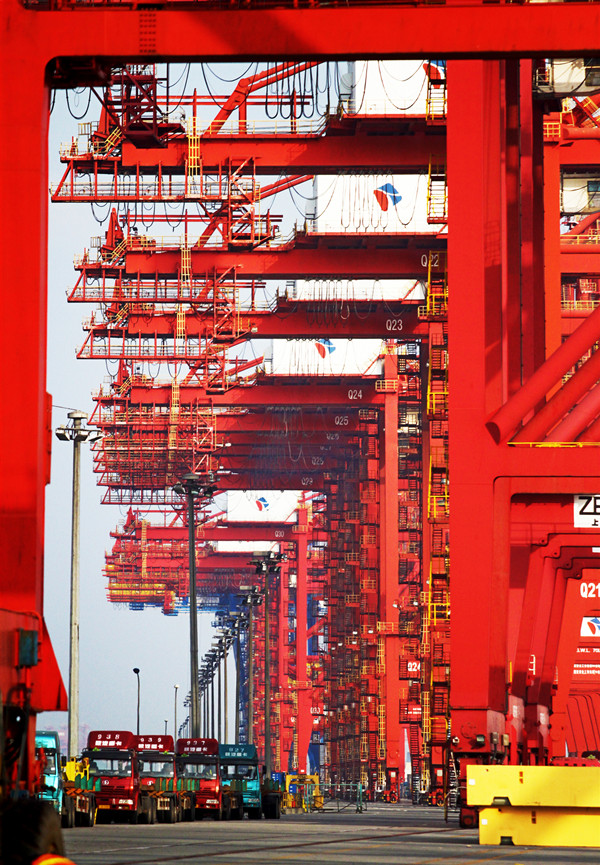
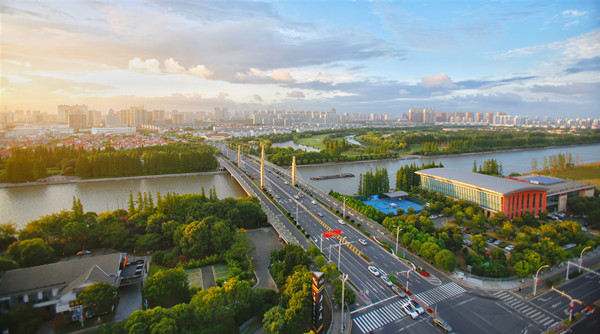
Taicang Port is a major automobile export hub in China. [Photo/WeChat account: tcfbgw]
Taicang Port in Jiangsu province exported 1.08 million vehicles from January to September, up more than 80 percent year-on-year, as rising capacity and more efficient shipping solutions help Chinese automakers expand their presence in global markets.
Exports in September alone reached approximately 160,000 vehicles, setting a new monthly record. The vehicles were shipped to 168 countries and regions worldwide, while exports of new energy vehicles doubled from a year earlier.
The rapid growth has been underpinned by improvements in customs clearance and expanding terminal capacity. Haitong (Taicang) Automotive Terminal, the largest and most specialized roll-on/roll-off (Ro-Ro) vehicle terminal along the Yangtze River's main channel, can accommodate two 70,000-metric-ton ocean-going Ro-Ro vessels and one 3,000-ton Ro-Ro vessel simultaneously. With enough parking space for 34,000 vehicles and an annual handling capacity of up to 1.3 million vehicles, the terminal has become a major automotive export hub in eastern China since beginning operations in December 2024.
To address a shortage of dedicated Ro-Ro vessels, Taicang Port introduced an innovative shipping solution in 2022 using foldable frames designed specifically for transporting vehicles. The system enables ships with suitable cargo holds to transport automobiles, expanding the range of vessels available for vehicle exports.
Each frame secures three vehicles, and the frames can be stacked like building blocks. This arrangement makes better use of cargo space and improves vehicle handling efficiency at the port, helping Taicang accommodate large, high-volume export shipments. From January to September this year, 63,000 vehicles were shipped through this system.
As export volumes continue to climb, Taicang Port is playing an increasingly important role in connecting China's automotive industry with markets around the world.